October 29, 2026
An Uber ride offers a convenient way to reach a destination, whether you are commuting to work, heading to an appointment, or traveling during a busy weekend. However, when a collision occurs, the experience can quickly become overwhelming. Injuries, medical expenses, lost income, and uncertainty about insurance coverage may create additional stress for everyone involved.
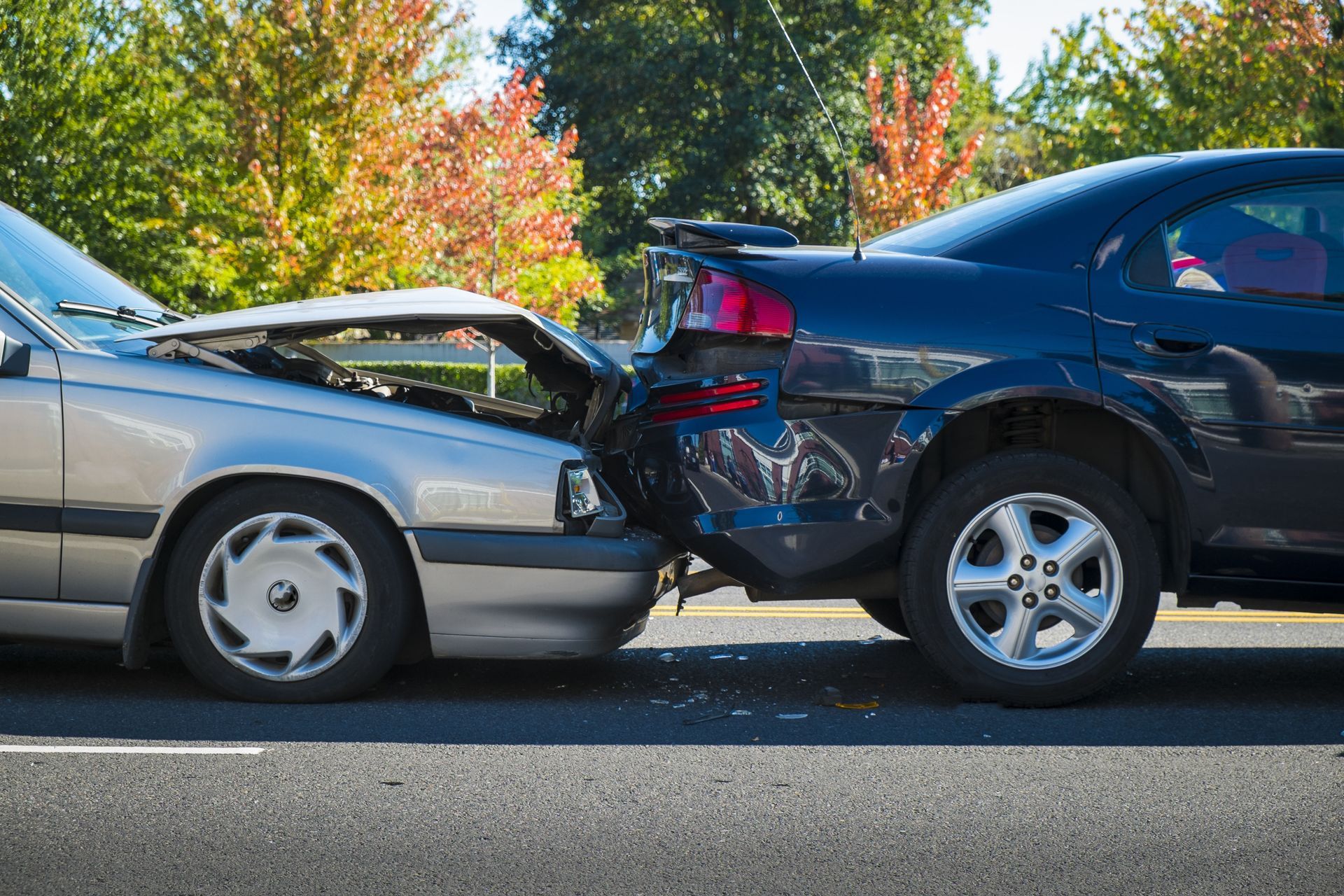
Rideshare accidents can affect passengers, drivers of other vehicles, pedestrians, and cyclists. The steps you take after a collision can help protect your health, preserve important evidence, and clarify your options for pursuing compensation.
According to the National Highway Traffic Safety Administration (NHTSA), approximately 6 to 7 million motor vehicle crashes are reported to police across the United States each year. Although these incidents vary in severity and circumstances, a collision involving an Uber vehicle can present additional questions about insurance coverage and liability.
Understanding how to respond can make the process less confusing. From obtaining medical care to seeking guidance from car accident attorneys, taking appropriate steps early can help you address the immediate consequences of a crash while preparing for the next stage of recovery.
Prioritize Your Health and Safety
Your health should remain the priority immediately after an Uber accident. If you can safely move away from traffic without aggravating an injury, find a secure location while waiting for assistance. If you suspect a serious injury, avoid unnecessary movement and follow emergency responders' instructions.
Call 911 if anyone appears seriously injured, a traffic hazard exists, or emergency assistance is necessary. Even when injuries seem minor, contact law enforcement when appropriate, particularly if the collision involves significant damage, conflicting accounts, or other circumstances requiring an official response.
Seek medical attention promptly, even if you initially feel fine. Some injuries, including concussions, internal injuries, and soft-tissue damage, may not cause noticeable symptoms immediately. Pain, dizziness, stiffness, and other symptoms can develop later, making a medical evaluation important after a collision.
Follow your healthcare provider's recommendations and attend follow-up appointments as needed. Keep records of diagnoses, treatment plans, prescriptions, and medical expenses. These documents can help establish the nature of your injuries and demonstrate how the collision affected your health.
If symptoms develop or worsen after an initial examination, seek appropriate medical care. Your recovery should guide your decisions rather than pressure from another party to resolve the matter quickly.
Report the Accident and Preserve Evidence
Once immediate safety concerns have been addressed, reporting the collision and preserving relevant information can help establish what happened. When law enforcement responds, officers may document the location, people involved, visible damage, witness accounts, and other observations. A police report can provide useful information during a subsequent insurance investigation.
Exchange contact and insurance information with the other driver or drivers when it is safe to do so. If you were riding in an Uber, preserve the driver's name, vehicle information, trip receipt, and available details about the ride. These records may help identify the trip and establish the driver's status when the collision occurred.
Photographs and videos can also provide valuable evidence. If conditions permit, document vehicle damage, road conditions, traffic signals, debris, and visible injuries. Witness names and contact information may be helpful if questions arise about how the accident happened.
Report the incident through Uber's appropriate safety or support channels. Keep copies of messages, notifications, and any incident reference numbers. Remember that reporting the crash to the rideshare platform does not replace notifying law enforcement when necessary or addressing applicable insurance requirements.
Avoid making assumptions about fault while the circumstances remain unclear. A careful record of the available evidence can help the relevant parties evaluate the incident more accurately.
Review the Insurance Coverage That May Apply
Insurance questions can make an Uber accident more complicated than a collision involving only privately operated vehicles. Coverage may depend on who was injured, which driver caused the crash, and whether the Uber driver was logged into the application, waiting for a request, traveling to pick up a passenger, or transporting someone.
A driver's personal auto insurance may apply in some circumstances, although policy exclusions or limitations can affect coverage when a vehicle is being used for rideshare activities. Uber also maintains insurance arrangements for certain periods of a driver's activity on its platform, subject to applicable terms and conditions.
When a driver is offline, personal auto insurance is generally the primary policy to examine. When the driver is logged in and available for a trip request, contingent coverage may apply depending on the circumstances and applicable policy provisions. After a driver accepts a trip and while transporting a passenger, higher limits of third-party liability coverage may be available.
The precise coverage depends on the applicable policy, the driver's status, the accident circumstances, and relevant legal requirements. Additional insurance may also be involved if another motorist contributed to the collision.
Determining which policy applies can require reviewing trip records, insurance documents, and evidence about the driver's activities. Car accident attorneys can help evaluate these details, identify potentially applicable coverage, and explain how insurance questions may affect a claim.
Determine Who May Be Liable for the Collision
Establishing responsibility is essential when evaluating a rideshare injury claim. An Uber driver, another motorist, or multiple parties may be liable depending on the circumstances. Speeding, distracted driving, unsafe lane changes, and failure to yield can contribute to collisions. Investigators may review witness statements, photographs, vehicle damage, and other evidence to determine fault.
Defective vehicle components or hazardous road conditions may also warrant investigation. An Uber accident does not automatically make the rideshare company legally liable, as insurance coverage and legal responsibility are separate considerations. Car accident attorneys can evaluate the evidence, explain potential claims, and clarify available legal options.
Document the Financial Impact of Your Injuries
The consequences of a rideshare accident can extend beyond the initial emergency room visit. Depending on the severity of your injuries, recovery may require specialist appointments, physical therapy, prescription medication, assistive equipment, or ongoing medical care.
Time away from work can create additional financial pressure. Some injuries prevent people from performing their usual duties, while others require reduced hours or temporary accommodations. Severe injuries may also affect future earning capacity.
Keep records of medical bills, treatment expenses, receipts, and missed work. Healthcare documentation can help establish your injuries, treatment needs, and limitations.
Depending on the circumstances and applicable law, compensation may cover medical expenses, lost wages, reduced earning capacity, and non-economic damages, including pain and suffering. The compensation available depends on the evidence and legal requirements.
Be cautious about accepting a settlement before understanding the extent of your injuries and potential future needs. Some agreements require a release of claims, which may limit your ability to seek additional compensation later. Car accident attorneys can evaluate the available documentation, explain settlement terms, and help determine whether an offer adequately addresses the losses supported by your claim.
Seek Legal Guidance for a Rideshare Injury Claim
Legal guidance can be valuable after an Uber accident involving serious injuries, disputed liability, or insurance disagreements. Rideshare claims may involve multiple parties and complex coverage questions. Car accident attorneys can investigate the collision, gather evidence, communicate with insurers, and evaluate potential damages.
Their support can help injured individuals navigate the claims process while focusing on recovery. Because settlement agreements may affect future compensation, seek legal advice before accepting an offer or signing a release. Prompt guidance can also help preserve evidence and clarify applicable deadlines.
You do not need to resolve every question immediately, but understanding your options early can help prevent avoidable complications. Car accident attorneys can explain the claims process, assess the available evidence, and identify steps that may support your pursuit of compensation.
The right approach will depend on the circumstances of the collision, the severity of your injuries, the available insurance coverage, and the applicable law. No particular result can be guaranteed, but informed guidance can help you navigate the process with greater clarity.
If you were injured in an Uber accident,
contact Padilla Law Group, LLP to discuss your circumstances and learn about your legal options.